Exploring tangible uses of company formation offshore in business services
The Significance of Comprehending the Incorporation Criteria in Company Formation Offshore Processes
Guiding through the intricacies of overseas Company Formation needs a strong understanding of addition standards. These criteria dictate eligibility, affecting every little thing from regulatory conformity to tax advantages. Business owners have to comprehend exactly how administrative variables contribute in this procedure. An absence of recognition can lead to expensive errors. As businesses discover these waters, the ramifications of their choices end up being progressively considerable. What particular aspects should they prioritize to assure an effective venture?
Specifying Inclusion Criteria for Offshore Company Formation
When thinking about the formation of an offshore firm, it is important to develop clear inclusion criteria that direct the decision-making procedure. These requirements function as a foundational structure, assuring that possible candidates for overseas Company Formation satisfy details needs. Commonly, they might encompass elements such as the organization's nature, the geographical area of operations, and the lawful frameworks readily available in different jurisdictions.
Inclusion requirements assist improve the selection procedure, permitting entrepreneurs to concentrate on sensible alternatives that straighten with their critical goals. These requirements can reduce risks linked with conformity, taxation, and regulative problems in foreign markets (company formation offshore). By defining these standards, company owner can efficiently assess their motivations for overseas Company Formation and assurance alignment with their lasting objectives. Eventually, clearness in incorporation criteria fosters informed decisions, facilitating a smoother change into the overseas company landscape
Key Elements Affecting Qualification
Eligibility for offshore Company Formation copyrights on a number of essential factors that shape an entrepreneur's ability to effectively navigate this facility landscape. The person's financial standing is crucial, as several territories need proof of adequate funding to develop and keep a firm. Second, the nature of the service plays a considerable role; specific sectors may face limitations or extra guidelines in offshore settings. Third, the entrepreneur's residency status can affect qualification, with some territories favoring local homeowners or needing specific licenses for foreign nationals. In enhancement, compliance with anti-money laundering (AML) and know-your-customer (KYC) guidelines is essential, as failing to fulfill these criteria can invalidate applicants. Ultimately, the business owner's experience and expertise in global organization techniques may influence their capability to satisfy the required requirements. Recognizing these aspects is vital for anybody taking into consideration offshore Company Formation.
The Function of Territory in Incorporation Criteria
Jurisdiction plays a critical duty in establishing the addition requirements for offshore Company Formation, as various areas enforce unique policies and requirements. Each jurisdiction has its own legal structure that defines who can develop an offshore company, the kinds of companies enabled, and the requisite paperwork. As an example, some territories may call for a minimal capital expense or details credentials for directors and shareholders, while others could have a lot more lenient needs.
Furthermore, the online reputation of a jurisdiction can affect the perceived legitimacy of a company. Regions with well-established lawful systems and durable governing frameworks have a tendency to draw in even more severe service endeavors, while others may be seen as tax havens or much less legitimate. Understanding these jurisdictional subtleties is essential for potential business owners, as the picked area can greatly affect functional efficiency, conformity commitments, and total company success in the offshore landscape.
Tax Obligation Implications and Benefits
Tax implications play an important role in offshore Company Formation, affecting both instant monetary benefits and lasting methods. Comprehending readily available tax incentives and making certain compliance with local policies are essential for maximizing economic outcomes. By strategically maneuvering through these aspects, businesses can enhance their operational efficiency and sustainability in international markets.
Tax Obligation Motivations Summary
While lots of business owners think about offshore Company Formation for different critical factors, recognizing the tax obligation rewards involved is critical for optimizing benefits. Offshore territories frequently supply desirable tax routines, consisting of reduced or zero company tax obligations, which can especially boost profit margins. Some regions offer tax obligation vacations or exemptions for specific markets, encouraging foreign financial investment. In addition, certain nations might have dual tax treaties, permitting businesses to prevent being tired on the same income in several territories. Tax motivations can also expand to minimized capital gains taxes and exceptions for foreign earnings. By completely assessing these benefits, entrepreneurs can optimize their monetary technique and assurance compliance with local guidelines while efficiently managing their international tax commitments.
Compliance With Laws
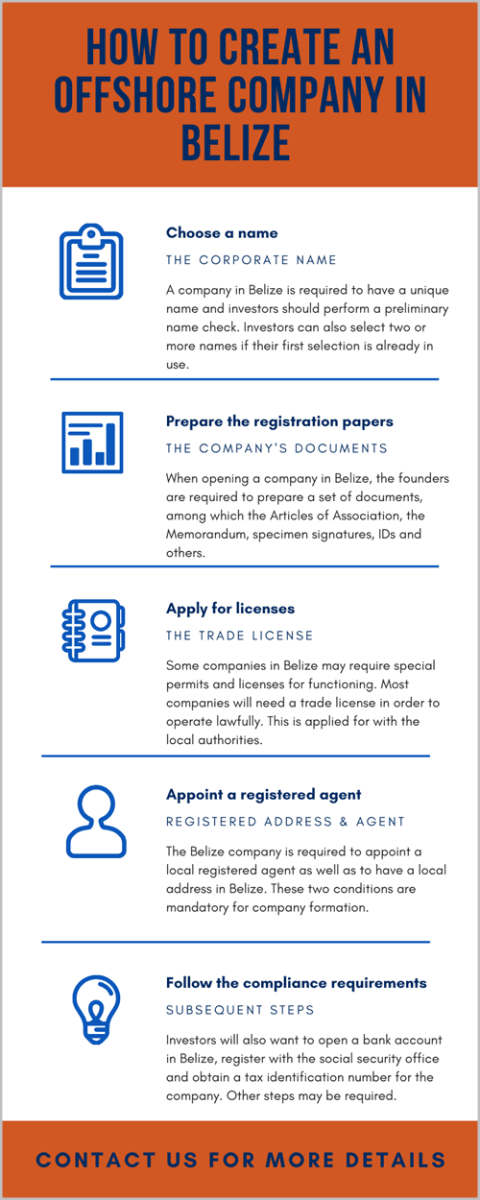
Offshore Company Formation provides an array of tax incentives, but understanding compliance with regulations is similarly important for business owners. Conformity assurances that services stick to worldwide requirements and local laws, which can considerably affect their functional success. Failure to conform may result in extreme penalties, consisting of fines and loss of license. Entrepreneurs have to know the certain tax obligation obligations in their chosen territory, as different regions supply differing advantages and requirements. Furthermore, recognizing coverage standards and anti-money laundering regulations is essential to prevent lawful problems. By focusing on conformity, organization proprietors can take pleasure in the financial advantages of offshore development while preserving a legal and trusted visibility in the worldwide market.
Lasting Financial Strategies
Establishing efficient long-lasting monetary techniques is vital for business owners considering offshore Company Formation, specifically pertaining to tax effects and advantages. By choosing territories with favorable tax programs, businesses can greatly reduce their tax burden and improve capital. Understanding local tax obligation laws, such as exemptions, reductions, and credits, plays an essential function in maximizing economic performance. Furthermore, techniques like profit repatriation and transfer prices can further boost tax performance. Business owners should additionally take into consideration the prospective influence of global tax treaties, which may provide beneficial terms for cross-border operations. Inevitably, a well-structured monetary strategy, lined up with legal conformity and regulative standards, not only promotes lasting development but likewise offers an affordable edge in the international marketplace.
Regulative Conformity Factors To Consider
Governing conformity is an important aspect that has to be meticulously browsed during the development of an overseas company, as failure to follow neighborhood legislations can cause significant fines. Each territory has its own collection of guidelines controling Company Formation, including enrollment demands, tax obligation obligations, and reporting criteria. It is vital for try this out business owners to completely recognize these guidelines to ensure their operations align with legal assumptions.

Strategic Organization Preparation for Offshore Ventures

Defining Target Audience
Determining the target audience is an essential step in the critical service preparation process for overseas endeavors. This process includes analyzing possible customers and their choices, which notifies product development and marketing approaches. By recognizing demographic factors such as age, income, and area, organizations can customize their offerings to fulfill certain demands. Furthermore, examining market trends and customer habits helps in identifying gaps in the marketplace that the venture can manipulate. Efficient segmentation of the target audience boosts the potential for success by making sure that sources are assigned successfully. Ultimately, a distinct target audience facilitates a focused technique, enhancing the possibility of attaining affordable benefit and lasting sustainability in the overseas organization landscape.
Conformity With Laws

While steering through the complexities of overseas Company Formation, conformity with laws becomes a crucial element in making sure the endeavor's success. Sticking to global guidelines and neighborhood laws not just reduces lawful threats however also improves the trustworthiness of the service. Firms have to be attentive concerning tax obligation obligations, licensing requirements, and reporting requirements specific to their selected territory. Understanding anti-money laundering (AML) protocols and know-your-customer (KYC) regulations is vital for maintaining operational honesty. Failure to conform can lead to charges, reputational damage, and even dissolution of the company. Tactical business preparation should integrate extensive conformity checks to secure versus potential pitfalls, inevitably establishing a solid structure for development and sustainability in the overseas field.
Usual Mistakes to Avoid in Offshore Company Formation
Numerous entrepreneurs neglect vital details when creating an offshore business, which can result in significant lawful and economic repercussions. One common pitfall is falling short to perform comprehensive study on jurisdictional policies. Each offshore location has special laws that can influence organization operations. Business owners frequently undervalue the importance of picking the best business structure, which can impact liability and tax. Additionally, ignoring to establish a reliable regional presence, such as a signed up agent, can cause complications during governing compliance.
One more mistake includes not enough understanding of financial demands, which can result in account accessibility concerns. Entrepreneurs may also ignore the significance of maintaining accurate documents, which is vital for openness and compliance. Inadequate lawful advise can result in misinterpretation of the requirements, exposing the company to dangers. By staying clear of these mistakes, entrepreneurs can enhance their overseas Company Formation experience and guarantee long-lasting success.
Regularly Asked Questions
Can Foreign Individuals Type Offshore Business Without Neighborhood Partnerships?
The question of whether foreign individuals can form overseas firms without neighborhood collaborations is facility. Usually, numerous jurisdictions enable this, yet particular policies and requirements may vary significantly depending upon the country selected for incorporation.
What Documents Is Required for Offshore Company Formation?
The documents required for offshore Company Formation normally consists of recognition proof, domestic address confirmation, business strategy, financial institution referral letters, and sometimes added regulatory forms, depending upon the jurisdiction's details legal needs and company structure chosen. company formation offshore.
Exist Age Restrictions for Offshore Company Founders?
Age restrictions for offshore business founders differ by jurisdiction. Normally, people need to be at the very least 18 years of ages to legitimately develop a company. Some regions may have extra requirements or specific stipulations concerning age qualification.
How much time Does the Offshore Company Formation Refine Typically Take?
The overseas Company Formation process usually takes anywhere from a few days to several weeks. Aspects influencing period consist of territory policies, required paperwork, and the efficiency of service providers involved in the enrollment procedure.
Can I Change My Firm's Inclusion Standard After Formation?
If altering a firm's incorporation requirements post-formation was feasible, the individual wondered. Normally, modifications can be made, yet this often requires adherence to particular legal procedures and compliance with the policies of the jurisdiction included.
By specifying these standards, company proprietors can properly assess their inspirations for overseas Company Formation and warranty placement with their lasting objectives. Each territory has its very own lawful structure that specifies that can develop an overseas firm, the kinds of companies allowed, and the Recommended Reading requisite documentation. While several entrepreneurs think about overseas Company Formation for various tactical reasons, understanding the tax obligation motivations these details included is critical for taking full advantage of benefits. Offshore Company Formation offers an array of tax obligation incentives, yet recognizing compliance with laws is similarly essential for entrepreneurs. Developing efficient lasting monetary techniques is important for entrepreneurs considering overseas Company Formation, especially relating to tax effects and benefits.